Solid Pneumatic vs. Press-On Tires


Solid Pneumatic vs. Press-On Tires
Choosing the right industrial tire starts with understanding how your equipment is used. Two common solid tire options, press-on tires and solid pneumatic tires, are built for very different environments.
Press-On Tires
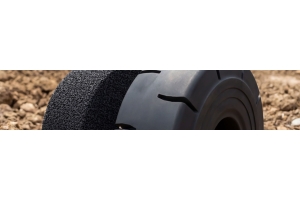
Press-on tires (also called cushion tires) feature a solid rubber construction bonded to a steel band that is pressed directly onto the wheel.
Best for: Indoor applications like warehouses and distribution centers
Advantages:
- Extremely durable construction
- High load-carrying capacity
- Longest overall lifespan among industrial tires
Limitations:
- Very firm ride, which can increase operator fatigue
- Not compatible with all machines
- Converting from pneumatic setups can be costly
Solid Pneumatic Tires (Resilient Tires)
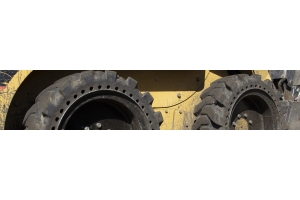
Solid pneumatic tires combine the shape of traditional air-filled tires with the durability of solid rubber construction.
Best for: Mixed indoor/outdoor environments
Advantages:
- More comfortable ride compared to press-on tires
- Compatible with existing pneumatic wheels (no conversion needed)
- Strong resistance to punctures and wear
- Versatile across multiple applications
Limitations:
- Slightly less durable than press-on tires in extreme conditions
- Requires proper fitment to prevent slippage (rare but possible)
Which Should You Choose?
- Choose press-on tires for controlled indoor environments where durability and load capacity matter most
- Choose solid pneumatic tires for flexibility, comfort, and outdoor use
If your operation involves varied terrain or mixed use, solid pneumatics are often the more practical solution.
Duratire Direct carries both options and can help you determine the best fit based on your equipment and operating conditions.