Solid Tires vs. Pneumatic Tires: Why Upgrade?


Solid Tires vs. Pneumatic Tires: Why Upgrade?
A common question operators ask is whether it makes sense to replace OEM pneumatic tires with solid tires.
The answer depends on your application, but in many cases, switching to solid tires is a major upgrade in performance and reliability.
Longer Tire Life
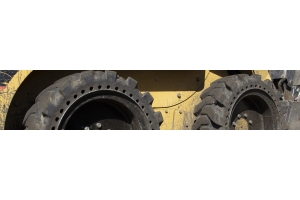
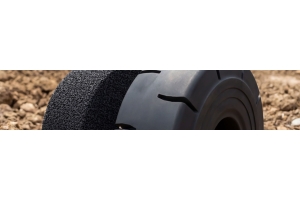
Solid tires are built for longevity. In many applications, they last 3-4 times longer than pneumatic tires—and sometimes even outlast the machine itself.
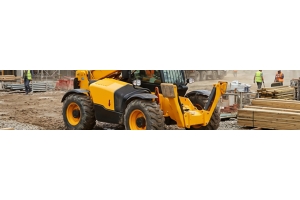
This is especially true for equipment like telehandlers that operate in limited travel areas.
Flat-Proof Performance
Unlike pneumatic tires, solid tires cannot go flat.
This makes them ideal for:
- Scrap yards
- Construction sites
- Recycling facilities
- Forestry and demolition environments
Reducing flats means reducing downtime, and that directly impacts productivity and operating costs.
Lower Total Cost of Ownership
While solid tires have a higher upfront cost, they often deliver:
- Fewer replacements
- Less maintenance
- Reduced downtime
Over time, this leads to a significantly better return on investment.
When Pneumatic Tires Still Make Sense
Pneumatic tires are still useful when flotation and ride comfort are critical—such as in soft terrain or long-distance travel.
But in harsh, debris-heavy environments, solid tires offer unmatched reliability.
Real-World Applications for Solid Tires
Solid tires are commonly used in:
- Waste and recycling
- Asphalt and paving
- Landscaping
- Port operations
- Scrap and metal yards
If your operation involves constant tire damage or downtime, switching to solid tires can dramatically improve efficiency.