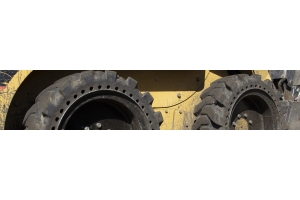
What is Ply Rating for Tires?



What is Ply Rating for Tires?
Ply rating is one of the most important indicators of a tire’s strength and load capacity—and you’ll find it listed directly on the tire sidewall.
While the term “ply” originally referred to the number of material layers inside a tire, modern tires no longer follow that exact structure. Today, ply rating (or load range) is used as a standardized way to indicate how much weight a tire can safely carry at a given pressure.
What Ply Rating Actually Means
In today’s market, a tire labeled as 10-ply, 12-ply, or 14-ply doesn’t literally contain that many layers. Most heavy-duty tires are built with fewer plies using stronger materials like steel or advanced fabric.
Instead, the ply rating reflects the tire’s overall strength compared to older tire construction methods.
As a general rule:
- Higher ply rating = greater load capacity and durability
- Lower ply rating = lighter duty and lower cost
Choosing the Right Ply Rating
Selecting the right ply rating comes down to your application. There’s always a balance:
- Higher ply ratings offer better puncture resistance and durability, but come at a higher cost
- Lower ply ratings are more cost-effective but may wear faster or be more vulnerable in harsh environments
Key factors to consider:
- Terrain (rock, debris, scrap, smooth surfaces)
- Load requirements
- Frequency of use
- Risk of punctures or sidewall damage
Brand Differences Matter
Not all ply ratings are created equal across manufacturers. Two tires with the same rating may perform differently depending on materials and construction.
That’s why consistency matters; working with a trusted supplier ensures you get predictable performance across your fleet.
If you’re unsure which ply rating fits your application, the Duratire Direct team can help match the right tire to your equipment and environment.